
Blog
The Best Non-Slip Shower Floor Tiles for a Bathroom

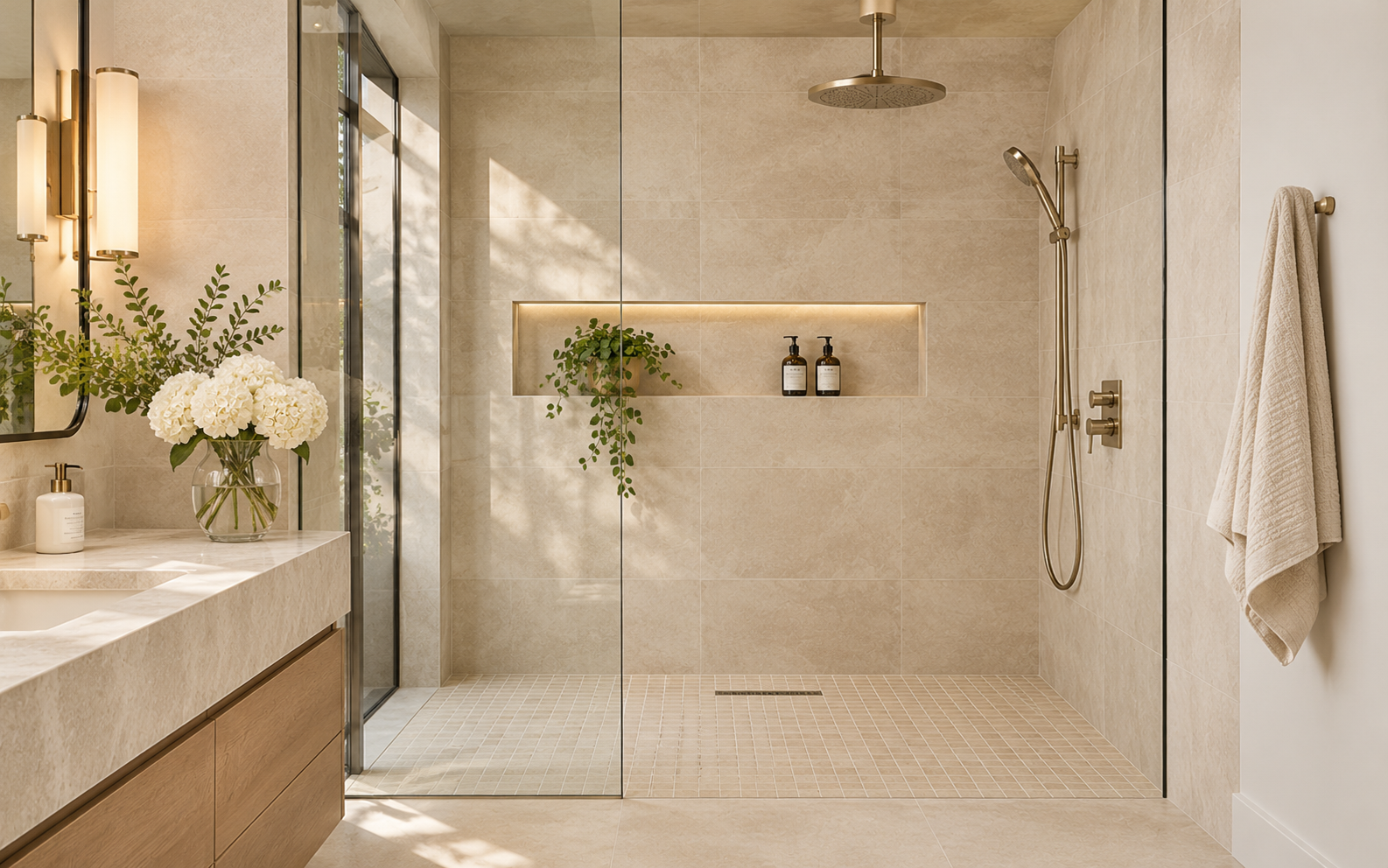
The best non-slip shower floor tiles combine a manufacturer-approved wet-area surface with appropriate texture, grout-joint layout, drainage, and professional installation. For a 2026 master bathroom, textured porcelain mosaics, smaller-format ceramic or porcelain tiles, and selected stone-look surfaces can balance slip resistance with a refined, spa-inspired aesthetic. This Tile Mode guide explains Dynamic Coefficient of Friction (DCOF), shower-specific considerations, tile formats, and maintenance so homeowners and designers can make informed selections.
Understanding Slip Resistance: The Technical Standards for Safety
Shower floor safety is not determined by a single number. ANSI A326.3 provides a standardized method for measuring Dynamic Coefficient of Friction (DCOF) and classifying hard-surface flooring for intended uses. The commonly cited wet DCOF value of 0.42 is associated with certain level interior wet applications; ANSI A326.3 does not establish a universal measured DCOF threshold for shower floors. A tile with a rating of 0.42 is not automatically approved for shower use, and some smaller tiles with lower measured values may still be suitable when the full installed assembly is considered.
For showers, evaluate the tile manufacturer’s stated application suitability together with surface structure, tile dimensions, frequency of grout joints, drainage slope, barefoot use, and expected exposure to soap and water. Water absorption is a separate material characteristic: porcelain typically absorbs less water than many other ceramic bodies, but low absorption alone does not establish slip resistance or replace proper shower waterproofing.
Safety Standards at a Glance
| Safety factor | What to verify | Why it matters |
| DCOF / ANSI A326.3 | Product test data and manufacturer use classification; no universal shower-floor 0.42 threshold | A measurement is one factor, not a slip-proof guarantee |
| Surface & format | Texture, tile size, grout-joint frequency | Influences barefoot traction and adaptability to slopes |
| Water absorption | Product specifications and suitability for shower floors | Related to tile body performance, not a direct grip rating |
| Installation | Approved waterproofing, slope, drains and setting materials | Controls water movement and the integrity of the finished shower |
Best Material Options for Slip-Resistant Master Shower Flooring
The strongest material choice depends on the actual tile and the way it will be installed. For luxury bathrooms, consider the following formats while confirming that each specific product is approved for shower floors.
Porcelain Shower Floor Tiles
Matte and textured porcelain shower floor tiles are popular for modern bathrooms because they combine low water absorption with a wide range of marble-look, stone-look, and minimalist styles. Small and medium formats are often easier to slope toward conventional point drains. Large-format porcelain may be suitable for some shower designs—particularly carefully planned single-plane or linear-drain layouts—but it requires compatible drainage geometry, verified wet-use suitability, and experienced installation. A matte appearance by itself is not proof of adequate traction.
Mosaic Shower Floor Tiles
Mosaic shower floor tiles, including 1×1 and 2×2 squares and other compact shapes, are frequently chosen for sloped shower pans. More grout joints create additional surface interruptions and can contribute to traction, while smaller pieces follow compound slopes more readily. However, a high grout-to-tile ratio does not guarantee a slip-resistant floor; the tile surface, grout, installation, and upkeep all matter. Choose shapes and materials that are comfortable under bare feet and suited to the planned drain.
Textured Natural Stone-Look Tile
Textured stone-look porcelain offers the visual warmth of limestone, travertine, or other natural surfaces without necessarily requiring the same sealing practices as natural stone. Look for manufacturer-approved shower floor products with an appropriate tactile finish rather than assuming every textured wall tile or white-body ceramic tile is floor-rated. Raised profiles, pronounced ridges, and decorative 3D wall tiles may be uncomfortable, hard to clean, or unsuitable for a shower floor.
Performance Comparison: Premium Shower Flooring Materials
| Material | Best for | Key benefit | Selection note |
| Textured porcelain | Contemporary, stone-look wet areas | Low absorption and design versatility | Confirm product is rated for shower floors |
| Porcelain or ceramic mosaics | Conventional slopes and point drains | Many joints; easy fit around slopes | Check surface traction and comfortable edges |
| Stone-look small-format tile | Spa-inspired master showers | Natural-looking texture | Verify floor rating and maintenance |
| Large-format porcelain | Compatible linear-drain designs | Fewer visible joints | Requires careful slope planning and specific approval |
Essential Selection Criteria: What to Consider Before You Buy
The best bathroom floor tiles for shower safety should suit the user, the drain, and the installation—not merely the latest aesthetic trend. Ask your installer or designer:
- Is this exact tile approved by the manufacturer for a residential shower floor, including barefoot wet use?
- Does the finish offer suitable traction when exposed to water and soap, and is it comfortable under bare feet?
- Can the selected tile size accommodate the intended shower pan slope and drain position without lippage or drainage problems?
- For older adults or users with limited mobility, would a curbless layout, grab bars, seating, good lighting, or additional accessibility features improve usability?
- Will the substrate, waterproofing, movement joints, and installation method meet the applicable project requirements?
Color can help shape a room’s atmosphere, but neither light nor dark tile is a dependable indicator of grip or water visibility. Confirm performance from product documentation and actual-use conditions instead of relying on finish names or appearance alone.
Maintenance and Hygiene: Keeping Your Non-Slip Tiles Pristine
Textured shower flooring can collect soap residue, body oils, and mineral deposits if it is not cleaned regularly. Those contaminants may affect traction, so cleaning is part of maintaining the intended performance. Follow the tile and grout manufacturers’ care instructions, and avoid harsh treatments unless explicitly approved.
- Rinse the floor to remove loose debris and everyday soap residue.
- Apply a manufacturer-approved cleaner, typically a pH-neutral product for routine care.
- Gently scrub textured areas and grout lines using a soft nylon-bristle brush.
- Allow the cleaner to dwell only as directed on its label; do not assume a universal 5–10 minute dwell time.
- Rinse thoroughly, remove residual water where practical, and maintain drainage and ventilation.
Conclusion: Elevate Your Space with Design and Safety
A luxurious master shower can be visually seamless without overlooking real-world performance. For many projects, textured porcelain mosaics offer a practical balance of design flexibility, drain compatibility, and everyday maintenance. Larger formats can create a more continuous appearance when the specific product and shower design allow them. Explore Tile Mode’s tile selection for porcelain, mosaics, and stone-look finishes, and review product specifications with your installer before ordering.
Frequently Asked Questions
What is the difference between DCOF and COF ratings for shower tiles?
DCOF is the dynamic coefficient of friction measured under a defined test method, while COF is a broader term that may refer to static or dynamic friction. ANSI A326.3 standardizes DCOF testing and use classifications, but a single reading does not establish that a tile is safe for every shower-floor application.
Which tile finishes provide the best traction when wet?
A manufacturer-approved textured or suitably slip-resistant surface is often preferable to an unverified polished finish. Matte, honed, and textured are appearance or finish descriptions, not interchangeable performance certifications. Review shower-floor recommendations and product testing.
How does the grout-to-tile ratio affect slip resistance in a shower?
Smaller mosaics introduce more grout joints that can improve barefoot traction and help tile follow sloped surfaces. Grout-joint frequency is one consideration alongside tile texture, drainage, maintenance, and the complete installed assembly.
What type of tile is best for bathroom floor and shower?
For many master showers, shower-rated textured porcelain mosaics are a versatile choice. The main bathroom floor may use a coordinated larger-format porcelain tile, provided each product is specified for its own application.
Are pebble tiles better than mosaic tiles for shower floor grip?
Both pebble and mosaic floors can provide textured surfaces and frequent grout joints, but performance varies by product. Flat, smooth-edged mosaics may feel more even underfoot and may be easier to clean; pebble installations can require more grout upkeep.
Can large format tiles be used for shower floors safely?
Sometimes. Large-format shower flooring may work with suitable surface traction and a compatible drain and slope design, often using a linear drain. Confirm the exact tile is manufacturer-approved and have the layout assessed by an experienced installer; a 0.42 DCOF result alone is not sufficient.
How do I make my shower floor slip-resistant?
Start with a tile that its manufacturer recommends for shower floors, plan effective drainage and proper installation, and keep the surface free of soap buildup. Smaller mosaics and appropriate texture may help, but no tile can be guaranteed slip-proof.
What is the best non-slip shower flooring for elderly people?
A level-feeling, manufacturer-approved textured mosaic floor is one option, especially when paired with reliable drainage. Safety for older adults also depends on shower entry, grab bars, lighting, seating, and individual mobility needs; consult an accessibility professional as needed.