
Blog
The Best Living Room Porcelain Tile Options for High-Traffic Spaces

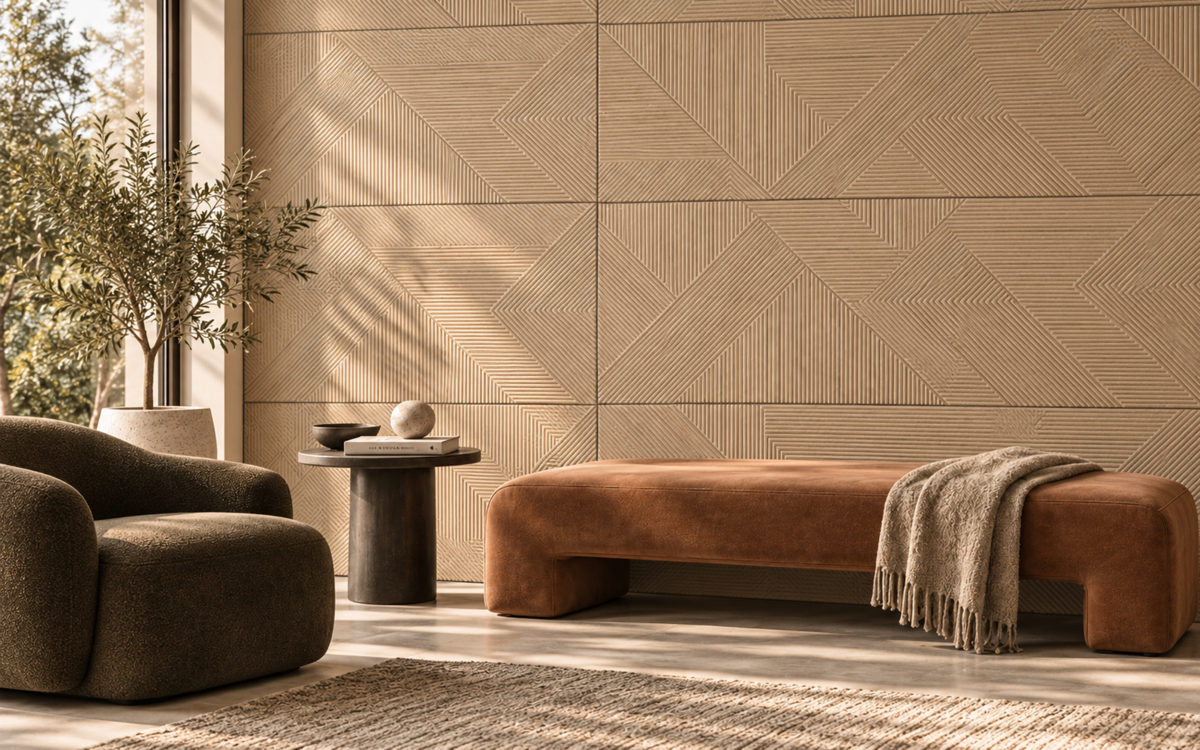
Living room porcelain tile is a durable, low-absorption ceramic surface that can suit busy residential spaces when the product is rated for its intended floor application. Porcelain tile has a water absorption rate of 0.5% or less. This updated 2026 Tile Mode guide explores porcelain vs. ceramic tiles, surface abrasion ratings, large format porcelain tile, finishes, slip resistance, and routine maintenance. It also highlights design options for homeowners seeking attractive, durable living room flooring.
The Science of Durability: Why Porcelain Works in High-Traffic Living Rooms
Porcelain is well suited to many high-traffic living rooms because its low water absorption and variety of floor-rated finishes offer a practical combination of appearance and performance. Actual resistance to wear, scratches, chipping, and slipping varies by product, glaze, installation, and conditions of use.
The core distinction in porcelain vs. ceramic tiles is water absorption, not a single firing temperature or a promise of superior performance in every application. Porcelain is a category of ceramic tile made to meet the 0.5% or less absorption threshold. Other ceramic tiles may also perform well on residential floors if their specifications indicate that use.
For glazed flooring, the Porcelain Enamel Institute (PEI) abrasion classification, commonly associated with ASTM C1027, helps describe resistance to visible surface wear. PEI Class 4 is commonly associated with heavier residential foot traffic, while Class 5 can suit more demanding use. Not all porcelain tile uses this system: unglazed products may be evaluated through different abrasion tests. Always confirm the manufacturer’s floor-use recommendation rather than relying on a PEI number alone.
| Feature | Porcelain Tile | Other Ceramic Tile |
| Water absorption | 0.5% or less (ANSI A137.1) | Varies by classification; generally above porcelain threshold |
| Material category | A type of ceramic tile | Includes multiple non-porcelain ceramic categories |
| Abrasion / wear | Depends on glaze, body and applicable test | Depends on glaze, body and applicable test |
| Living room use | Select a floor-rated product | Select a floor-rated product |
At Tile Mode, large format porcelain tile is a popular design direction for creating visual continuity. Tiles with an edge longer than 15 inches are commonly treated as large-format in North American installation guidance. Formats such as 24 x 24 and 24 x 48 inches can reduce the number of grout joints compared with smaller formats, although grout is still required and correct substrate preparation and installation remain essential.
Living Room Porcelain Tile Styles to Consider in 2026
A successful porcelain floor should match both the room’s visual character and its practical requirements. Instead of relying on a particular collection name, compare these widely available design categories and check the exact product specifications before purchasing.
Stone-Look Porcelain: Understated Elegance
Stone-look porcelain reproduces the visual movement of materials such as limestone, travertine, slate, and quartzite. Warm beige or soft gray tones can suit contemporary, transitional, and coastal living rooms.
Dark Marble- and Onyx-Look Porcelain: Dramatic Luxury
Dark porcelain with expressive veining can create a bold architectural focal point. Consider whether polished or glossy surfaces will show reflections, footprints, or dust more readily in your particular room.
Wood-Look Porcelain Tile: Timeless Warmth
Wood-look porcelain offers wood-grain visuals with the cleaning characteristics of tile. Plank proportions, grain variation, grout selection, and layout influence how natural the result appears.
Warm Beige and Gold-Veined Porcelain: Refined Stone Aesthetics
Cream, ivory, and gold-veined porcelain can add softness to open-plan living spaces. For a cohesive look, coordinate the tile undertones with cabinetry, furniture, and natural light.
Concrete-Look and Large Format Porcelain: Architectural Foundations
Concrete-look porcelain and larger tiles can deliver a quiet, modern visual foundation. Check flatness requirements, installation tolerances, and the installer’s recommended layout for large-format flooring.
Aesthetics Meet Engineering: Finishes and Slip Resistance
A successful living room surface balances visual preferences, maintenance, and safety. Finish alone does not establish a tile’s slip resistance; test values and product use classifications matter, especially in areas expected to become wet.
The Performance of Matte vs. Polished Surfaces
Matte finish porcelain tile often provides a more subdued appearance and may make ordinary footprints or reflections less noticeable than high-gloss tile. However, matte does not automatically mean more scratch-resistant or slip-resistant. Polished tile offers a reflective appearance but may require more frequent visible cleaning depending on lighting and use.
How to Choose Your Living Room Finish
- Identify traffic zones: Give special attention to entryways, hallways, and living rooms that open directly to patios.
- Ensure aesthetic harmony: Consider using complementary tones or the same approved floor collection in adjoining interior spaces.
- Review wet-area transitions: For entrances and outdoor-adjacent spaces, check the manufacturer’s intended-use guidance and applicable traction ratings instead of assuming one R rating fits every condition.
Surface Selection Tips for Southern California Homes
Slip resistance: Review the product’s wet dynamic coefficient of friction (DCOF) or other applicable traction information for the intended interior area. Exterior, sloped, and pool-adjacent applications require separate evaluation.
Boutique design tip: Compare samples beside upholstered furniture and cabinetry in both daylight and evening light.
Light management: Matte or low-sheen surfaces can help reduce reflected glare in bright living rooms.
The Long-Term Value of Porcelain vs. Alternative Surfaces
Porcelain may offer lasting value because properly selected, installed, and maintained floor tile can remain useful for many years. However, no flooring material has a guaranteed lifespan or resale return. Installation quality, substrate movement, impacts, maintenance, and household use all affect actual performance.
Luxury vinyl plank (LVP), standard ceramic tile, and porcelain can all serve different design and project needs. Rather than assigning universal lifespan or return-on-investment figures, compare floor-use ratings, moisture exposure, comfort, installation requirements, and the manufacturer’s care instructions.
| Surface Option | Useful Strengths | Considerations |
| Floor-rated porcelain tile | Low water absorption; many styles and formats | Hard underfoot; proper installation and slip suitability matter |
| Floor-rated ceramic tile | Wide design range; suitable products work in living rooms | Verify product traffic and wear suitability |
| Luxury vinyl plank (LVP) | Often softer and quieter underfoot | Water, scratch, sunlight, and installation performance vary |
For open living-and-kitchen spaces, coordinating porcelain flooring with cabinetry, wall tile, and countertops can create visual continuity without requiring every surface to be the same material.
Choosing Living Room Porcelain Tile with Tile Mode
Tile Mode is an online destination for tile inspiration and product selection. When comparing high traffic tile options, look beyond the room image: check size, finish, color variation, manufacturer floor-use guidance, and any technical sheet available for your chosen product. Product selections and availability may change, so review current listings on TileMode.com.
Frequently Asked Questions
What are the best tiles for a living room?
Floor-rated porcelain tiles are a strong option for many living rooms because they offer low water absorption and a broad choice of finishes. The best living room porcelain tile depends on the expected traffic, room conditions, visual preference, and specific manufacturer rating.
Are porcelain or ceramic tiles more durable?
Porcelain is a type of ceramic tile defined by its low water absorption. It is not automatically stronger in every performance category. To compare porcelain vs. ceramic tiles, review the products’ abrasion, strength, intended floor use, finish, and installation requirements.
What PEI rating is required for a high-traffic residential living room?
For glazed tiles that carry a PEI abrasion classification, Class 4 is commonly selected for heavier residential traffic, while Class 5 may be suitable for more demanding environments. PEI describes glaze abrasion, not overall scratch resistance or impact strength, and it is not the applicable rating for every unglazed porcelain tile.
Why use large format tiles in high-traffic areas?
Large format porcelain tile can create an expansive appearance with fewer grout joints than smaller tiles. It still needs proper grout spacing, substrate preparation, and qualified installation. Fewer grout joints do not eliminate cleaning or maintenance.
Do matte or polished porcelain tiles show more scratches?
Matte tile may make some smudges or reflections less noticeable, whereas polished tile often makes footprints and glare more visible. Actual scratch and abrasion behavior depends on the specific surface and its product specifications; neither finish is scratch-proof.
Is porcelain tile more expensive than ceramic?
Costs vary by size, finish, design, quality, and installation requirements. Porcelain and other ceramic tiles both include a wide range of options. Compare complete project requirements rather than assuming either type always costs more.
How do I clean high-traffic porcelain surfaces?
Sweep or vacuum with a suitable hard-floor attachment to remove grit, then mop with a cleaner recommended by the tile manufacturer. Avoid inappropriate abrasive or acidic products. Porcelain tile generally does not require sealing, but some grout products may have separate maintenance requirements.
Should tile be lighter or darker than walls?
Neither is universally better. Lighter flooring can contribute to an airy appearance, while darker tile may establish contrast and drama. Test samples in the room and consider dust visibility, daylight, furniture, and the desired atmosphere.